
Soft Tissue Ultrasound (Lumps & Bumps)


Soft Tissue Ultrasound (Lumps & Bumps)
Essential information
A Soft Tissue ultrasound is used to assess soft tissue swellings anywhere on the body. It is commonly requested to investigate a new lump, a swelling that has changed, or a longstanding area that has become painful or bothersome.
Ultrasound helps determine whether a lump is a cyst, lipoma, fluid collection, inflamed tissue, or another benign soft tissue change.
This scan is useful for evaluating lumps in areas such as the arms, legs, back, neck, scalp, chest wall, and abdominal wall. Ultrasound provides real-time images that help identify the structure, size, and nature of the lump, and can guide whether any further tests or follow-up are required.
Ultrasound may be one of several investigations you require, and you should consult your doctor to ensure any additional testing or onward referrals are arranged if needed.
Why should I choose MedicalUltrasound.co.uk for my soft tissue ultrasound?
How long is the appointment
The appointment usually takes around 20 minutes to complete.
How much does it cost
The cost of this scan is £145 for one lump.
You can combine this scan with any other scan for an additional £100
Some scans, such as musculoskeletal or vascular imaging, may not be combinable due to specialist requirements.
When should you get a Lumps and Bumps Ultrasound?
You may be advised to have an ultrasound if you have a swelling that needs closer examination. This scan helps identify the nature of the lump and whether any further care is needed.
A lump and bumps may be appropriate if you have
- A new lump or swelling
- A lump that is growing or changing
- A painful or tender lump
- A cyst suspected by your GP or specialist
- A soft tissue mass that needs characterisation
- A recurrent swelling or fluid collection
- A lump near a previous surgical site
- A lump that affects movement or function
- A request from your GP for further assessment
- Follow up after previous imaging
Ultrasound is often chosen as a first-line investigation because it is safe, quick, and effective for assessing soft tissue structures without radiation.
How should you prepare for the scan
No special preparation is required.
Wear clothing that allows easy access to the area being examined.
What will you experience during the examination?
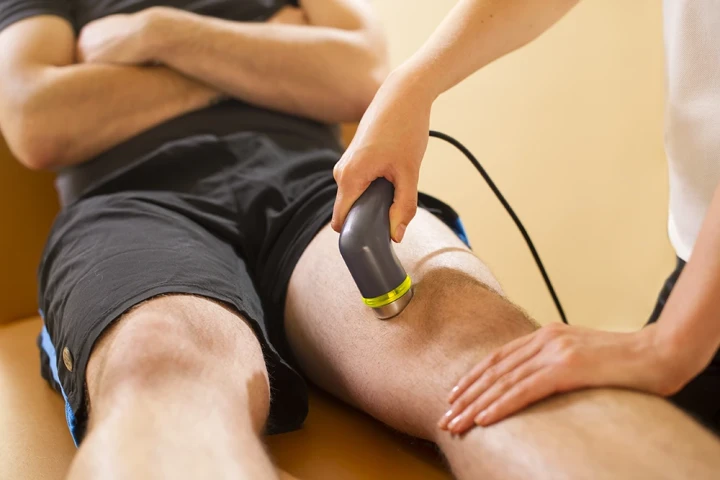
The examination is non-invasive and painless. Warm gel will be applied to the skin, and the Sonographer will move a small transducer over the lump to obtain detailed images.
The Sonographer may measure the lump and assess its internal structure, borders, and relationship to surrounding tissues. They may also check nearby areas if clinically appropriate.
You are welcome to ask questions during your examination.
When do you get the results?
We will send a signed report of our findings to your doctor. You should then arrange an appointment with your GP, who will explain the results.
Your doctor is best placed to discuss the findings because they will have access to your full medical history, examination notes, and any other tests that may be relevant.


Soft Tissue Ultrasound FAQs
At MedicalUltrasound.co.uk, diagnostic accuracy, clinical clarity, and patient reassurance are central to every examination. This FAQ guide covers the most common questions about soft tissue ultrasound, including when it is recommended, what types of lumps or swellings can be assessed, how ultrasound helps differentiate soft tissue findings, and what happens after your appointment.
The information explains how soft tissue ultrasound is used to assess superficial lumps and bumps, including cysts, lipomas, fluid collections, inflamed tissue, and other soft tissue abnormalities. It outlines its role in distinguishing between solid and fluid-filled lesions, assessing size and internal structure, and supporting decisions about monitoring, further investigation, or referral.
Each question is presented in two parts.
A Short answer for quick reference
An In-depth answer to provide a clinical explanation and context
Whether you have been referred by your GP or are arranging a private scan, this guide is designed to help you understand the purpose of a soft tissue ultrasound, what to expect during the examination, and how the results support diagnosis, reassurance, or onward care, delivered by experienced diagnostic Sonographers.
What is a soft tissue ultrasound?
A soft tissue ultrasound is a scan used to assess lumps, bumps, and superficial swellings.
Soft tissue ultrasound uses high-frequency sound waves to produce real-time images of structures close to the skin, such as fat, muscle, connective tissue, and fluid collections. It is commonly used to assess lumps or swellings anywhere on the body, including the neck, arms, legs, abdomen, or back. The scan helps determine the nature of a lump and guides further management.
What types of lumps can a soft tissue ultrasound assess?
It can assess most superficial lumps and swellings.
Soft tissue ultrasound can assess cysts, lipomas, abscesses, inflamed tissue, lymph nodes, fluid collections, and other benign soft tissue changes. It helps distinguish between solid and fluid-filled lumps and provides information about size, shape, and internal structure. This supports decisions about reassurance, monitoring, or further investigation.
Can a soft tissue ultrasound tell if a lump is benign?
It can suggest whether a lump appears benign, but cannot always confirm.
Ultrasound can identify features that are typical of benign conditions, such as simple cysts or lipomas. However, while ultrasound is very helpful in characterising lumps, it cannot always definitively diagnose the nature of every lesion. If a lump has suspicious or unclear features, your GP may arrange further imaging, biopsy, or specialist referral.
Can soft tissue ultrasound detect cancer?
It can identify suspicious features, but further tests are needed for diagnosis.
Soft tissue ultrasound can detect masses and describe features that may raise concern, such as irregular borders or abnormal internal patterns. However, ultrasound alone cannot diagnose cancer. If concerning features are identified, your GP may recommend further imaging or a biopsy to confirm the diagnosis. Many lumps assessed on ultrasound are benign.
Is a soft tissue ultrasound painful?
No. The scan is usually painless.
Soft tissue ultrasound is a non-invasive and painless procedure. You may feel gentle pressure from the probe, particularly if the area is tender, but this should not cause significant discomfort. No needles or injections are involved in a standard soft tissue ultrasound.
How long does a soft tissue ultrasound take?
Most scans take around 10 to 20 minutes.
The length of the scan depends on the size and location of the lump and whether multiple areas need to be assessed. The examination is performed in real time, and you can return to normal activities immediately afterwards.
Do I need to prepare for a soft tissue ultrasound?
No special preparation is required.
You can eat and drink normally before a soft tissue ultrasound and continue your usual medications. Wearing loose clothing that allows easy access to the area being scanned may be helpful. You may be asked to change into a gown depending on the location of the lump.
Can a soft tissue ultrasound assess lymph nodes?
Yes. Enlarged or abnormal lymph nodes can be evaluated.
Ultrasound is very effective at assessing lymph nodes near the skin surface. It can evaluate their size, shape, and internal structure, helping distinguish reactive or inflammatory nodes from those that may require further investigation. Findings are interpreted alongside your symptoms and medical history.
Can soft tissue ultrasound detect abscesses or infection?
Yes. It can identify fluid collections and signs of inflammation.
Soft-tissue ultrasound can detect abscesses, fluid collections, and inflamed tissue that may indicate infection. It can help guide management by identifying whether a collection is present and whether further treatment, drainage, or referral is required. Clinical assessment and blood tests may also be needed to confirm infection.
Can soft tissue ultrasound detect abscesses or infection?
Yes. It can identify fluid collections and signs of inflammation.
Soft-tissue ultrasound can detect abscesses, fluid collections, and inflamed tissue that may indicate infection. It can help guide management by identifying whether a collection is present and whether further treatment, drainage, or referral is required. Clinical assessment and blood tests may also be needed to confirm infection.
Will the Sonographer tell me the results during the scan?
The formal results are provided in a written report.
The Sonographer may explain what they are assessing during the scan, but they do not usually provide a diagnosis. A signed ultrasound report is sent to your GP or referring clinician, who will discuss the findings and advise on next steps.
Can soft tissue ultrasound differentiate between cysts and solid lumps?
Yes. This is one of its main uses.
Ultrasound is very effective at distinguishing fluid-filled cysts from solid masses. Cysts typically appear dark and well defined, while solid lumps have different internal characteristics. This distinction is important in deciding whether a lump is likely benign and whether further investigation or follow-up is needed.
Can an ultrasound assess painful lumps?
Yes. Pain does not prevent accurate assessment.
Painful lumps can be assessed safely with ultrasound. The scan can identify causes such as inflammation, infection, muscle injury, or fluid collection. The Sonographer will apply gentle pressure and can adjust technique if the area is tender.
Can soft tissue ultrasound be used to monitor a lump over time?
Yes. It is suitable for follow-up imaging.
Because ultrasound does not use radiation, it can be repeated to monitor changes in a lump over time. Follow-up scans may be arranged to assess growth, resolution, or response to treatment, depending on your GP’s advice.
Can ultrasound detect lipomas?
Yes. Lipomas often have characteristic appearances.
Lipomas are common benign fatty lumps that are often easily identified on ultrasound. The scan can assess their size, location, and internal features. While many lipomas require no treatment, imaging can help confirm the diagnosis and provide reassurance.
Can soft tissue ultrasound assess muscle injuries?
Yes. It can evaluate muscles and surrounding tissue.
Soft tissue ultrasound can assess muscle strains, tears, and localised swelling. It is particularly useful for superficial muscle injuries or sports-related trauma. Deeper or more complex injuries may require additional imaging depending on findings.
Can an ultrasound assess lumps in children?
Yes. It is commonly used in children.
Soft tissue ultrasound is safe and well-tolerated in children because it does not involve radiation. It is often used to assess lumps, swellings, or lymph nodes in paediatric patients and provides valuable information while avoiding unnecessary exposure.
Can soft tissue ultrasound detect foreign bodies?
Sometimes, depending on the material and location.
Ultrasound can sometimes detect foreign bodies such as splinters or glass fragments, particularly if they are superficial. Visibility depends on the size, depth, and material of the object. Your GP will decide whether an ultrasound is appropriate for suspected foreign bodies.
Is soft tissue ultrasound better than MRI?
They have different roles and uses.
Soft tissue ultrasound is ideal for assessing superficial lumps quickly and safely. MRI provides more detailed imaging of deeper or complex structures, but is more expensive and not always necessary. Your GP will advise which test is most appropriate based on your symptoms.
Can a normal soft tissue ultrasound rule out serious conditions?
A normal scan is reassuring but may not explain all symptoms.
A normal ultrasound rules out many structural causes of lumps or swelling. However, if symptoms persist or change, your GP may consider further assessment or alternative investigations to ensure nothing is missed.
What happens after my soft tissue ultrasound?
Your GP will review the report and advise next steps.
After the scan, a signed report is sent to your GP or referring clinician. They will explain the findings in context and advise whether reassurance, monitoring, further tests, or referral is needed. Many soft tissue scans show benign findings requiring no further action.
To book, call: 0141 221 2496 or email[email protected]
To book, call: 0141 221 2496 or email[email protected]
Head Office
MedicalUltrasound.co.uk
Ingram House
227 Ingram Street
Glasgow G1 1DA
Contact
T: 0141 221 2496
Booking line manned
9am to 5pm 7 days a week